 By
By 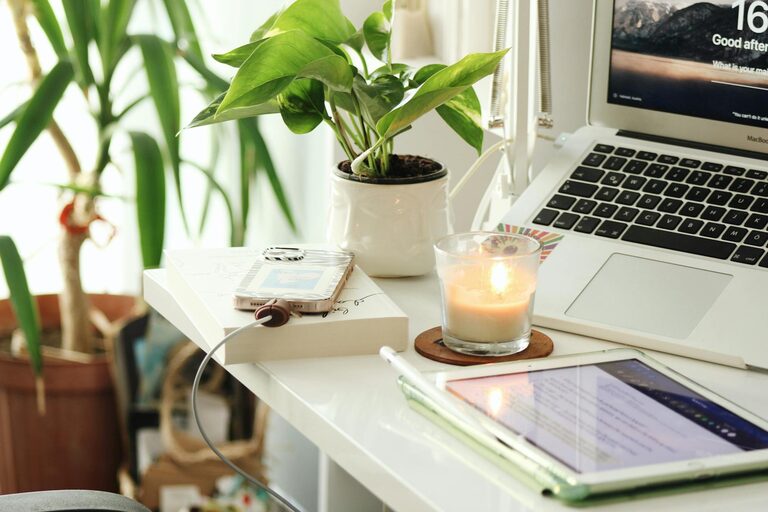
Creating a home office that combines comfort and productivity can make a big difference in your daily work routine. Whether you work remotely full-time or occasionally need a dedicated space, having a cozy and well-organized office helps you focus, reduces stress, and keeps you motivated. In this post, we’ll explore practical tips to help you design the perfect home office that suits your style and work needs.
Choose the Right Location
Selecting the ideal spot in your home is the first step. Look for a space that offers some separation from high-traffic areas like the kitchen or living room. This separation helps reduce distractions and signals to your mind that it’s time to work. If space is limited, consider using a quiet corner or a nook with natural light.
Prioritize Natural Light and Good Lighting
Natural light boosts mood and productivity, so position your desk near a window if possible. If natural light is scarce, invest in layered lighting — a combination of overhead lights, task lights, and ambient fixtures. A desk lamp with adjustable brightness is especially helpful for focused tasks.
Invest in Comfortable, Ergonomic Furniture
Your chair and desk play a huge role in comfort. Choose an ergonomic chair that supports your lower back and encourages good posture. The desk height should allow your elbows to rest comfortably at about 90 degrees when typing. Standing desks or adjustable options can help vary your position throughout the day.
Keep Your Workspace Organized
A clutter-free desk helps clear your mind. Use organizers, drawers, or shelves to keep supplies and documents tidy. Consider cable management solutions to prevent cords from tangling. Regularly declutter your workspace to maintain order and avoid distractions.
Add Personal Touches for Warmth
Incorporating items that make you feel happy and relaxed creates a cozy atmosphere. Add plants to bring freshness and improve air quality. Display photos, artwork, or inspirational quotes that motivate you. A soft rug or cozy blanket can add texture and warmth to the environment.
Optimize for Sound and Privacy
Noise can disrupt focus, so think about soundproofing options if needed. Use rugs, curtains, or soft furnishings to absorb sound. Noise-canceling headphones or white noise machines can also help create a peaceful background.
Incorporate Technology Thoughtfully
Ensure your office has reliable internet and necessary tech equipment. Position monitors at eye level to reduce neck strain, and keep frequently used devices within reach. Manage screen glare with adjustable shades or monitor filters.
Maintain a Balanced Color Scheme
Colors affect mood and concentration. Calming shades like soft blues, greens, or neutrals promote relaxation. Bright accents can add energy without being overwhelming. Avoid overly bright or harsh colors that might cause eye strain or distraction.
Develop a Routine to Use the Space Effectively
Your home office becomes more productive when you establish clear work habits. Set regular work hours, take breaks, and create a ritual to start and end your day in this space. This habit helps your mind associate the environment with focus and productivity.
Conclusion
Designing a cozy yet productive home office is a rewarding project that pays off in comfort and efficiency. By choosing the right location, focusing on lighting and ergonomics, keeping your space organized, and adding personal touches, you’ll create an environment that supports your best work. Take time to adjust things according to your preferences, and your home office will become a place you enjoy spending time in.