 By
By 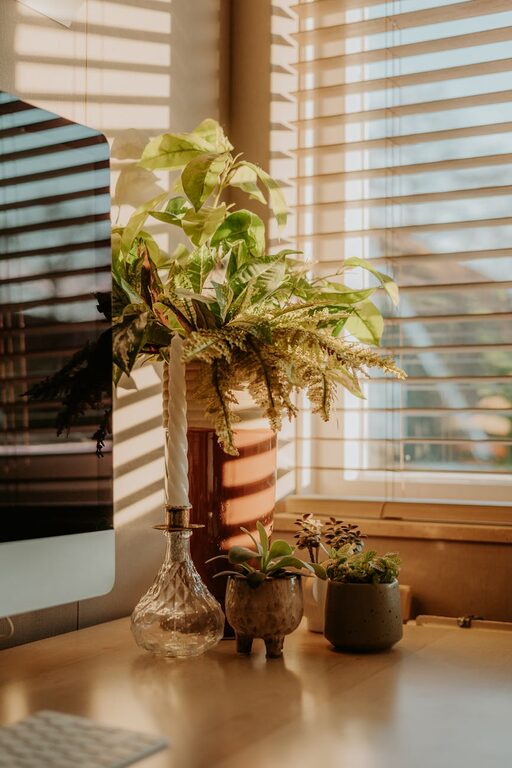
Creating a home workspace that feels both relaxing and productive is essential for anyone working remotely or spending significant time at home. A well-designed environment not only helps you stay focused but also reduces stress and improves overall comfort. If you’re looking to enhance your home office or study area, this guide offers practical tips on how to create a space that supports your best work while keeping you comfortable and calm.
Why a Relaxing Workspace Matters
Working from home can blur the boundaries between work and personal life. An inviting workspace helps you establish a clear mental and physical separation from distractions, allowing you to switch into “work mode” with ease. Moreover, a relaxing environment minimizes stress and fatigue, enabling longer periods of concentration and higher productivity.
Choose the Right Location
Find Natural Light
Position your desk near a window if possible. Natural light boosts mood and energy levels, making it easier to stay alert during the day. Avoid glare on your computer screen by using adjustable blinds or curtains.
Minimize Noise
Select a quiet corner or room to limit interruptions. If outside noise is unavoidable, consider noise-canceling headphones or a white noise machine to create a peaceful atmosphere.
Invest in Comfortable Furniture
Ergonomic Chair
A supportive chair that encourages good posture is crucial. Look for adjustable height, lumbar support, and comfortable cushioning to prevent back and neck pain.
Functional Desk
Choose a desk that fits your space and work needs. A surface large enough for your computer, notebooks, and other essentials reduces clutter and stress. If possible, consider a standing desk or one with adjustable height for variety.
Organize Your Workspace
Declutter Regularly
Keep only what you need on your desk. Store papers, gadgets, and other items in designated drawers or organizers to maintain a clean workspace.
Use Storage Solutions
Shelves, filing cabinets, and drawer organizers help keep your office supplies tidy. Label containers to easily find what you need and maintain order.
Personalize Your Space
Add Soothing Elements
Incorporate items that bring you joy and calm, such as plants, artwork, or inspiring quotes. Greenery, in particular, improves air quality and adds a touch of nature.
Choose Calming Colors
Soft, neutral colors like blue, green, or beige promote relaxation. Avoid overly bright or harsh tones that may cause visual strain.
Manage Lighting and Screen Settings
Layer Lighting
Use a combination of overhead lighting and desk lamps for balanced illumination. Adjustable lamps reduce eye strain and allow you to direct light where needed.
Optimize Screen Brightness
Adjust your computer screen brightness and contrast to comfortable levels. Consider using blue light filters in the evening to protect your eyes and support better sleep.
Establish a Routine
Set Work Hours
Having regular start and end times helps signal when it’s time to focus and when to relax. This creates a healthy work-life balance.
Take Breaks
Schedule short breaks to stand, stretch, and rest your eyes. A few minutes of movement or mindfulness can recharge your energy and improve concentration.
Incorporate Relaxation Techniques
Use Aromatherapy
Light scented candles or diffuse essential oils such as lavender or eucalyptus to create a calming atmosphere.
Practice Breathing Exercises
Simple deep breathing during breaks can reduce tension and clear your mind.
Keep Technology in Check
Manage Cables
Use cable organizers or clips to prevent a tangled mess and avoid distractions.
Set Notifications Wisely
Turn off non-essential alerts or use “Do Not Disturb” modes during focused work periods.
Maintain Air Quality and Comfort
Ventilate Your Space
Fresh air keeps you alert and comfortable. Open windows or use air purifiers to maintain a healthy indoor environment.
Control Temperature
Keep your workspace at a comfortable temperature. Layer clothing or use fans and heaters as necessary to avoid discomfort.
Final Thoughts
Creating a relaxing and productive home workspace is about balancing comfort with functionality. By choosing the right location, organizing thoughtfully, and adding personal touches that promote calm, you can enjoy a pleasant environment that supports your best work. Remember, small changes can make a big difference in how you feel and perform throughout your day.
With these tips, you’ll be better equipped to transform your home office into a space where productivity and relaxation work hand in hand.