 By
By 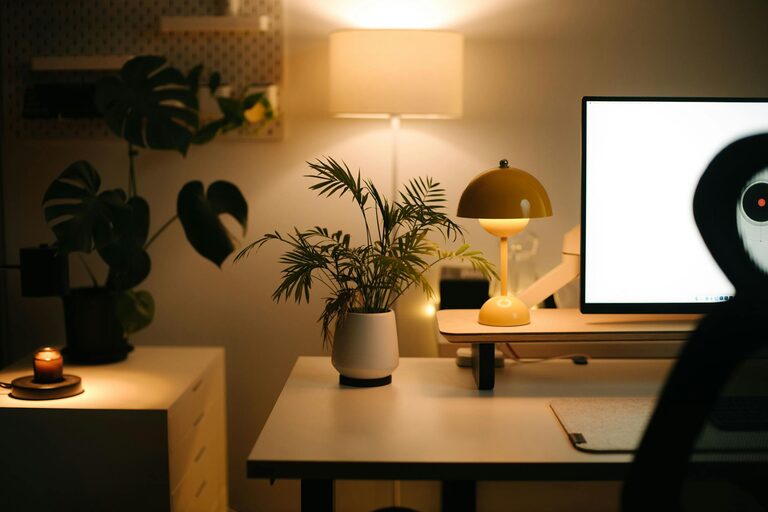
Creating a home office that is both cozy and productive can greatly enhance your work-from-home experience. Whether you’re a full-time remote worker or need a dedicated space for occasional tasks, your workspace should inspire focus and comfort. In this post, we’ll explore practical tips to create a home office environment that balances warmth and efficiency.
1. Choose the Right Location
The first step in setting up a home office is selecting the right spot in your home. Ideally, this space should be quiet and have minimal distractions. Here are a few factors to consider:
– Natural Light: A room or corner with plenty of natural light can boost your mood and energy. Position your desk near a window if possible.
– Privacy: If you have family or roommates, select an area where you can close a door or create clear boundaries.
– Accessibility: Your office should be easy to get to and separate enough to maintain a work/life balance.
2. Invest in Ergonomic Furniture
Comfort is key to productivity. A good chair and desk setup will support your posture and prevent discomfort during long work hours.
– Chair: Look for an adjustable office chair with lumbar support that fits your body size.
– Desk: Choose a desk height and size that accommodates your computer, writing space, and any other tools without clutter.
– Standing Options: Consider a sit-stand desk or desk converters to alternate between sitting and standing during the day.
3. Personalize Your Space
Adding personal touches can make your office feel inviting and uniquely yours, which can increase your motivation to work there.
– Decor: Use artwork, plants, or photos that inspire you without overwhelming the space.
– Colors: Soothing colors like soft blues, greens, or neutrals create a calm environment. If you prefer, add pops of energizing colors in accessories.
– Lighting: Beyond natural light, include layered lighting options such as desk lamps or floor lamps to reduce eye strain.
4. Organize for Efficiency
A clutter-free space helps maintain focus. Organize your home office with these strategies:
– Storage: Use shelves, filing cabinets, or baskets to keep paperwork and supplies tidy.
– Desk Organization: Limit items on your desk to essentials. Use organizers for pens, notebooks, and devices.
– Cable Management: Use clips, ties, or sleeves to keep cables neat and out of the way.
5. Incorporate Technology Thoughtfully
Technology can improve your workflow, but it also has the potential to distract or cause frustration if not set up properly.
– Reliable Internet: Ensure your workspace has a strong internet connection for video calls and cloud work.
– Quality Equipment: Invest in a good monitor, keyboard, mouse, and headset to reduce strain and improve communication.
– Backup Power: Consider a surge protector or uninterruptible power supply (UPS) to protect your devices.
6. Create Boundaries and Routines
To maintain productivity, it’s important to separate your work life from your home life.
– Set Work Hours: Define clear start and finish times to avoid overworking.
– Use Visual Cues: When working, close the office door or use a room divider to signal your availability.
– Take Breaks: Schedule short breaks and use a timer or app to remind yourself to step away from the desk.
7. Add Comfort Elements
Making your workspace cozy can reduce stress and help you feel more relaxed and productive.
– Soft Textures: Add a cushioned chair pad, a soft throw blanket, or a rug underfoot.
– Temperature Control: Ensure good ventilation and consider a small fan or heater for comfort.
– Aromatherapy: Use mild scents like lavender or citrus with essential oils or candles to create a pleasant atmosphere.
8. Keep It Flexible
Your home office needs might change, so design a space that can adapt.
– Multi-use Furniture: Use foldable desks or movable storage units to rearrange the space as needed.
– Tech Mobility: Use wireless devices and portable chargers for flexibility.
– Ergonomic Adjustments: Be ready to tweak chair height or monitor position to suit different tasks.
—
Final Thoughts
A well-designed home office can greatly improve your workday, making it easier to focus and enjoy your time at home. By paying attention to location, furniture, organization, and comfort, you can build a space that supports both your productivity and well-being. Remember, creating your perfect office is an ongoing process—feel free to experiment and adjust as your needs evolve.
With these tips, you’re ready to transform your home office into a cozy and efficient workspace that encourages success every day. Happy decorating!